How to Choose a Gemstone With Character

Choosing a gemstone is not just about sparkle or price. It is about finding a stone that feels right. One that has depth, individuality, and a quiet presence that draws you in rather than demands attention.
As a jeweller, I am naturally drawn to gemstones that are not uniform or perfect. I love stones with movement, colour shifts, inclusions, and subtle irregularities. These are the details that make a stone feel alive. They are also the details that make each piece of jewellery truly one of a kind.
If you have ever wondered what actually makes a gemstone good quality, or how to tell whether a stone is valuable beyond its price tag, this guide is for you. Not from a laboratory or marketing perspective, but from the bench, where stones are handled, studied, and chosen slowly and with intention.
Colour: The First Thing You Notice
Colour is usually the first thing we respond to when choosing a gemstone. It is instinctive. Some colours feel grounding, others energising, others calming. That initial response matters more than you might think.
Quality colour is not always about brightness or intensity. Depth, balance, and variation often matter more. A gemstone with subtle shifts in tone can feel far more interesting than one that looks exactly the same from every angle.
In stones like opal, sapphire, tourmaline, and spinel, colour can move and change in the light. These changes create a sense of depth and keep the stone visually engaging over time. A stone that reveals something new as you wear it will always hold attention longer than one that feels static.
When choosing a gemstone, look for colour that feels alive rather than perfect.
Clarity: Imperfection as Character
Clarity refers to the presence of inclusions, which are natural features formed as the stone grows. In traditional gem grading, fewer inclusions often means higher value. But this does not always align with what makes a stone beautiful or meaningful.
Many handcrafted jewellers are drawn to stones with visible inclusions because they add personality. These internal markings can look like landscapes, threads, clouds, or flashes of light. They are proof that the stone formed naturally over time.
The key is balance. Inclusions should feel intentional rather than distracting. They should add interest without compromising the stone’s structure or durability.
Some of the most memorable gemstones I have worked with would never be called flawless. And that is exactly why they are special.

Cut: How Shape Changes Everything
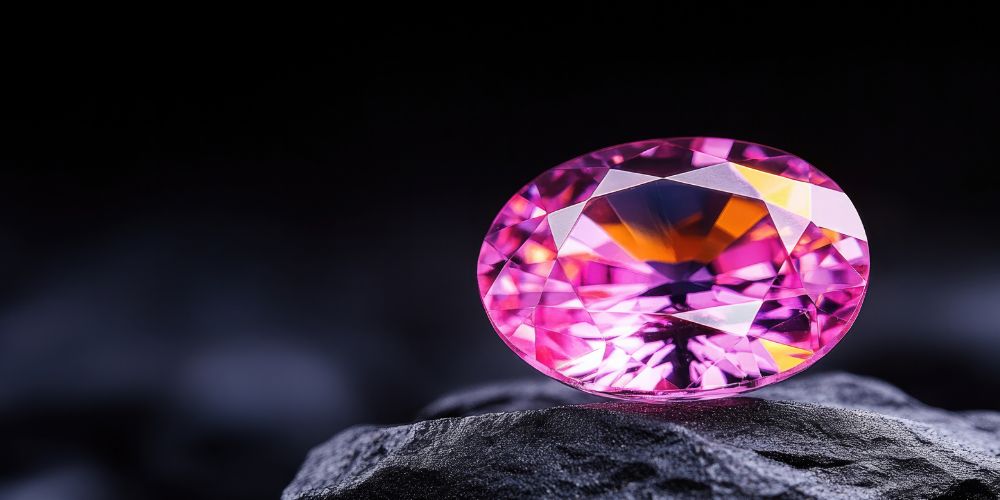
Cut is often misunderstood. It does not simply refer to the shape of a stone, but to how it has been faceted or formed to interact with light.
A well cut gemstone enhances colour, depth, and movement. A poorly cut stone can look dull or lifeless, even if the material itself is beautiful.
Hand cut stones often have softer lines and more organic proportions than mass cut stones. These subtle differences can make a stone feel more natural and better suited to bespoke jewellery.
When choosing a gemstone, pay attention to how light moves across its surface. Does it draw you in, or does it fall flat. The best cuts feel balanced rather than overly showy.
Durability: Choosing Stones for Real Life
Not all gemstones are suited to the same type of wear. Some are perfect for everyday rings, while others are better suited to necklaces or earrings.
Durability is influenced by hardness, toughness, and structure. This does not mean that softer stones should be avoided. It simply means they should be chosen thoughtfully.
Opals, for example, require a little more care than sapphires or diamonds. But that does not make them less worthy. It makes them more intentional.
A gemstone does not need to be indestructible to be worn and loved. It just needs to suit the way you live.

Rarity and Value: What Actually Matters
Value is one of the most misunderstood aspects of gemstones. It is often associated with diamonds or traditional hierarchies, but true value is far more nuanced.
Rarity can come from limited supply, unique colour, unusual formation, or specific origin. Some stones are rare because they are no longer mined. Others are rare because no two are ever the same.
But value is not only financial. Emotional value plays a huge role. A gemstone that resonates with you personally will always be more valuable than one chosen purely for status.
Some of the most compelling gemstones are overlooked simply because they do not fit traditional expectations. These stones often offer incredible beauty and individuality without the inflated price tags.
Trusting Your Eye and Your Instinct
One of the most interesting things I see as a jeweller is how often people are drawn instantly to the right stone for them. Before logic, before comparison, before price.
There is usually a moment of recognition. A pause. A sense of connection.
While it is helpful to understand quality and durability, instinct matters just as much. Jewellery is something you live with. It becomes part of your everyday rhythm.
Choosing a gemstone that feels right will always outlast trends or rules.
Choosing Stones With Meaning
The best gemstones are not always the most expensive or the most flawless. They are the ones you return to again and again. The ones that feel familiar, grounding, or quietly powerful.
When chosen with care, a gemstone becomes more than an adornment. It becomes a marker of time, memory, and intention.
Whether you are drawn to movement, colour, imperfection, or rarity, trust that pull. The stones that speak softly often stay with us the longest.
While quality and craftsmanship matter, the stones we choose often say something about us too. In a future post, I will explore jewellery symbolism and how certain stones, shapes, and details can come to hold personal meaning over time.
For those drawn to gemstones with personality and depth, you can browse the pieces I’ve crafted to showcase their unique qualities.